Featured
The 2-Minute Rule for Why Denying to Seek How Bankruptcy ...
Getting The Hidden Costs That Debt Settlement vs. Debt Ma...
Some Of What to Watch For When Evaluating Forgiveness Ser...
Not known Facts About Reviewing Bankruptcy Counseling Org...
The Actual Price of Ignoring Debt: Just How Professional Counseling Services Are Altering Financial Recovery
Table of Contents
- – The Growing Need for Financial Debt Forgivenes...
- – Insolvency Therapy: The Misunderstood Safeguard
- – Contrasting Your Financial Debt Alleviation Op...
- – What Sets Nonprofit Therapy Apart
- – Caution Indicators of Predatory Financial Debt...
- – Taking the Very First Step Toward Recuperation
- – The Course Ahead
Financial anxiety has actually come to be a defining characteristic of contemporary American life. With overall credit history card financial obligation exceeding $1.21 trillion and the ordinary cardholder owing even more than $6,500, countless people locate themselves entraped in cycles of minimal repayments and compounding rate of interest. When credit card rate of interest hover around 23%, also small equilibriums can swell right into frustrating burdens within months.
For those sinking in debt, the question isn't whether to seek aid-- it's finding the right type of aid that won't make issues worse.
The Growing Need for Financial Debt Forgiveness Solutions
Financial debt mercy has become among the most browsed financial topics online, and permanently reason. The idea of resolving debts for less than the full amount owed offers real want to individuals who see no practical path to paying their balances in complete.
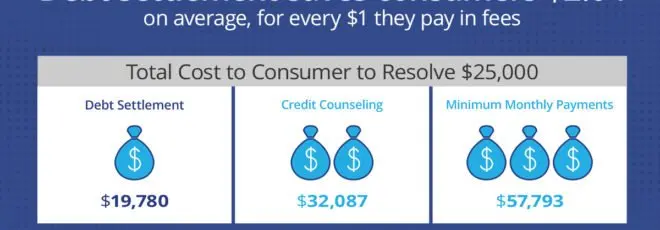
The procedure normally functions such as this: when credit score card accounts go overdue for 120 days or even more, financial institutions typically bill off the debt. At this stage, they may accept reduced negotiations to recover a minimum of a portion of what's owed. Effective settlements can lower equilibriums by 30% to 50%, depending on the lender and your shown economic hardship.
However, financial obligation mercy isn't free cash. Worked out accounts show up on credit records as "" paid much less than full balance,"" which impacts your score. Additionally, forgiven amounts surpassing $600 may be reported to the IRS as taxed income. Recognizing these compromises before going after settlement is necessary.
Insolvency Therapy: The Misunderstood Safeguard
Insolvency lugs significant stigma, yet it remains a legitimate lawful tool designed to offer overloaded people a real clean slate. What many individuals don't understand is that federal legislation calls for 2 counseling sessions prior to and after declaring-- and these sessions exist especially to ensure you're making an educated decision.
Pre-bankruptcy credit report counseling entails a thorough review of your revenue, financial debts, and expenditures. Qualified therapists present options you might not have actually thought about, consisting of debt management programs or challenge negotiations. This isn't concerning dissuading personal bankruptcy; it has to do with confirming it's absolutely your finest option.
Post-bankruptcy borrower education prepares you for financial success after discharge. You'll learn budgeting techniques, saving approaches, and credit report rebuilding comes close to designed to stop future monetary troubles.
Organisations like APFSC offer both needed courses, with charges around $19.99 per session unless you get challenge waivers. Their accredited therapists give same-day certificates, and sessions normally run 60 to 90 minutes. This access issues when you're currently worried regarding financial resources.
Contrasting Your Financial Debt Alleviation Options
Recognizing the landscape of financial obligation alleviation helps you make notified decisions. Each method lugs distinct benefits and drawbacks.
Financial Obligation Management Programs consolidate several unsafe financial obligations into solitary monthly settlements. Therapists work out with lenders to possibly lower rate of interest without needing brand-new fundings. Most clients full these programs within three to five years. The key advantage is paying financial debts completely while minimizing overall passion paid.
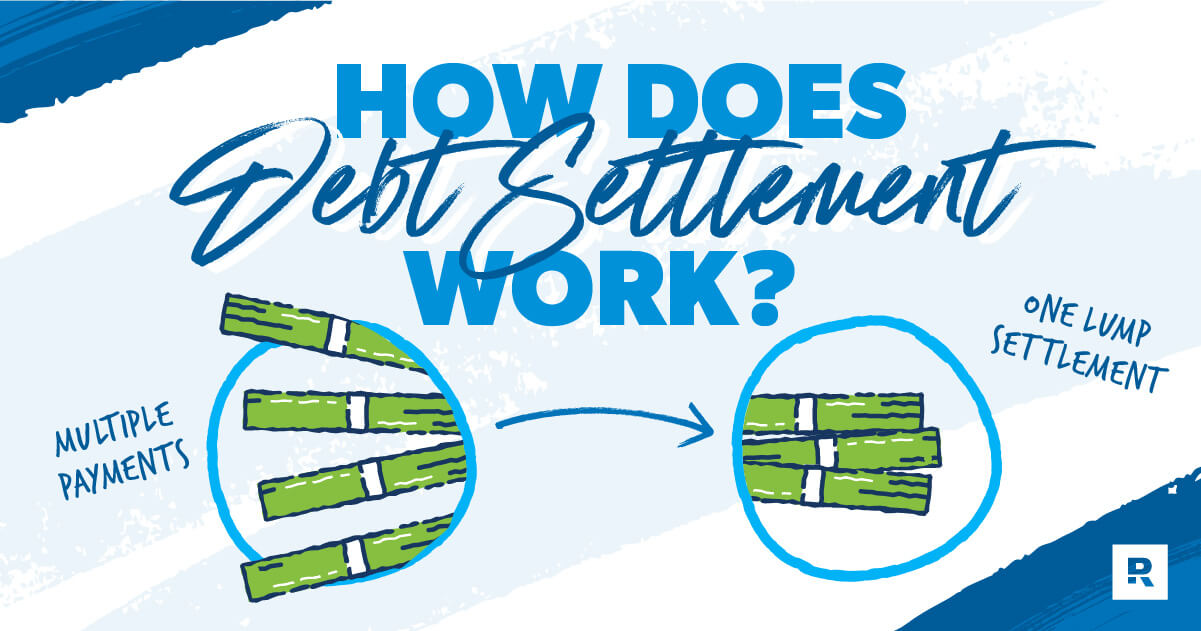
Financial debt Settlement negotiates lowered payoff quantities, commonly 30% to 50% much less than owed. This approach needs quiting payments to lenders while building up negotiation funds, which damages credit rating throughout the procedure. Results vary based upon lender readiness and your shown difficulty.
Insolvency gives court protection while removing or restructuring financial obligations. Chapter 7 liquidates specific properties to release unprotected debts quickly. Chapter 13 establishes three-to-five-year repayment prepare for those with regular income. Insolvency continues to be on credit reports for seven to 10 years yet offers the most thorough clean slate.
Credit rating Therapy gives education and learning and guidance without necessarily enlisting in formal programs. Qualified therapists examine your total financial photo and suggest proper following actions, which could include any one of the above choices.
What Sets Nonprofit Therapy Apart
The difference between not-for-profit and for-profit debt alleviation companies matters tremendously. Nonprofit firms like those certified by the National Structure for Debt Counseling (NFCC) operate under stringent ethical standards and charge guidelines. Their therapists undertake rigorous certification and needs to recertify every two years.
For-profit debt settlement firms, conversely, may charge costs varying from 15% to 25% of signed up debt equilibriums. Some utilize aggressive sales tactics and make impractical assurances concerning results. The Consumer Financial Security Bureau has recorded countless grievances regarding aggressive techniques in this industry.
APFSC operates as a not-for-profit therapy agency, using complimentary financial debt administration appointments and managed charges for recurring services. Their HUD-approved housing therapists include worth for those encountering repossession together with basic financial obligation worries. Providers are readily available in English, Spanish, and Portuguese, expanding ease of access to underserved areas.
Research study supports the effectiveness of nonprofit therapy. A research commissioned by the NFCC found that credit rating counseling clients minimized rotating financial obligation by $3,600 even more than contrast groups during the 18 months following their sessions. Virtually 70% of participants reported better money management and higher financial confidence.
Caution Indicators of Predatory Financial Debt Relief Solutions
Not all debt relief companies have your benefits at heart. Acknowledging warnings shields you from making a tough situation even worse.
Beware of companies that ensure particular outcomes. No legit solution can assure specific negotiation percents or timeline assurances since outcomes depend upon individual lenders and circumstances.
Avoid any kind of firm demanding large upfront charges prior to offering services. Legitimate not-for-profit counseling uses totally free initial appointments, and for-profit negotiation firms are lawfully banned from accumulating fees up until they effectively clear up at least one debt.
Question anybody suggesting you to stop interacting with financial institutions entirely without explaining the effects. While strategic communication pauses in some cases support arrangements, complete evasion can result in suits, wage garnishment, and added damages.
Reputable companies describe all choices truthfully, consisting of choices that may not include their paid solutions. If a company pushes only one option despite your situation, seek assistance in other places.
Taking the Very First Step Toward Recuperation
Financial healing begins with sincere assessment. Collect your latest declarations for all financial obligations, calculate your overall responsibilities, and evaluate your realistic month-to-month settlement ability. This info forms the structure for any kind of effective counseling session.
Think about organizing complimentary examinations with numerous not-for-profit agencies prior to committing to any type of program. Compare their suggestions, fee frameworks, and communication styles. The right therapy relationship ought to really feel supportive instead of pressuring.
Organisations like APFSC offer on the internet chat, phone appointments, and extensive consumption processes developed to understand your one-of-a-kind situation before advising remedies. Their financial obligation monitoring calculator assists you think of possible timelines and savings before enlisting.
The Course Ahead
Overwhelming debt does not specify your future-- however ignoring it will. Whether financial obligation forgiveness, insolvency counseling, or organized financial debt administration makes sense for your situation depends upon aspects one-of-a-kind to your situations.
Expert guidance from licensed nonprofit counselors brightens options you could never uncover independently. These solutions exist particularly to assist people like you browse complicated economic obstacles without aggressive costs or impractical promises.
The typical American having problem with debt waits far as well long prior to seeking aid, permitting passion to substance and options to narrow. On a monthly basis of delay costs cash and expands your recuperation timeline.
What to Expect from the Post-Bankruptcy Debtor Education CourseYour first conversation with a qualified counselor costs nothing however can transform every little thing. Financial liberty isn't reserved for the fortunate-- it's readily available to any individual willing to take that preliminary step toward comprehending their options and committing to a reasonable plan.

Table of Contents
- – The Growing Need for Financial Debt Forgivenes...
- – Insolvency Therapy: The Misunderstood Safeguard
- – Contrasting Your Financial Debt Alleviation Op...
- – What Sets Nonprofit Therapy Apart
- – Caution Indicators of Predatory Financial Debt...
- – Taking the Very First Step Toward Recuperation
- – The Course Ahead
Latest Posts

The 2-Minute Rule for Why Denying to Seek How Bankruptcy Counseling Helps You Avoid Future Garnishments and Judgments Causes Things More Difficult

Getting The Hidden Costs That Debt Settlement vs. Debt Management Plan: What’s Safer for Your Credit? Experts Don't Have To Work
Some Of What to Watch For When Evaluating Forgiveness Services
More
Latest Posts
Getting The Hidden Costs That Debt Settlement vs. Debt Management Plan: What’s Safer for Your Credit? Experts Don't Have To Work
Some Of What to Watch For When Evaluating Forgiveness Services